

More men than ever are pursuing plastic surgery, and Dr. Jacob Unger has seen the shift firsthand. A board-certified plastic surgeon trained at UT Southwestern — the nation's top-ranked plastic surgery residency — and further educated through fellowships in France, Turkey, and Belgium, Dr. Unger brings a specialized, gender-specific approach to male aesthetics that preserves masculine structure while refining the features that matter. In this blog, we'll discuss the rise of male cosmetic surgery, the most requested procedures, how a male facelift differs from a female facelift, non-surgical alternatives, and what men should consider before scheduling.
The Rise of Male Cosmetic Surgery
Cosmetic surgery among men has grown significantly over the past two decades. The American Society of Plastic Surgeons reports that men now account for a meaningful and expanding share of aesthetic patients nationwide.
Common reasons men consider plastic surgery today include:
- Career visibility: Executives and public-facing professionals want to look as sharp as they feel.
- Video-call awareness: Constant on-screen exposure has made subtle facial changes harder to ignore.
- Long-standing concerns: Features that have bothered them for years finally get addressed.
- Preventive aging: Smaller procedures now often mean avoiding bigger ones later.
Dr. Unger's male patients often describe a specific turning point — a candid photo, a mirror moment, a new chapter — that shifts them from thinking about surgery to booking a consultation.
Popular Plastic Surgery Procedures for Men
Male patients tend to gravitate toward procedures that produce noticeable results without looking obvious.
The most requested procedures among men include:
- Facelift: Restores definition to the jawline and neck without a "pulled" appearance.
- Eyelid surgery: Removes heavy upper lids and under-eye bags that read as tired.
- Rhinoplasty: Refines the nose while preserving strong, masculine proportions.
- Gynecomastia surgery: Corrects excess breast tissue that diet and exercise can't resolve.
- Liposuction: Sculpts the flanks, chest, and abdomen for a more athletic silhouette.
- BOTOX and DAXXIFY: Soften expression lines without freezing facial movement.
According to the Cleveland Clinic, facelift surgery remains one of the most technically demanding procedures in facial plastics — which is why surgeon experience matters even more for male patients.
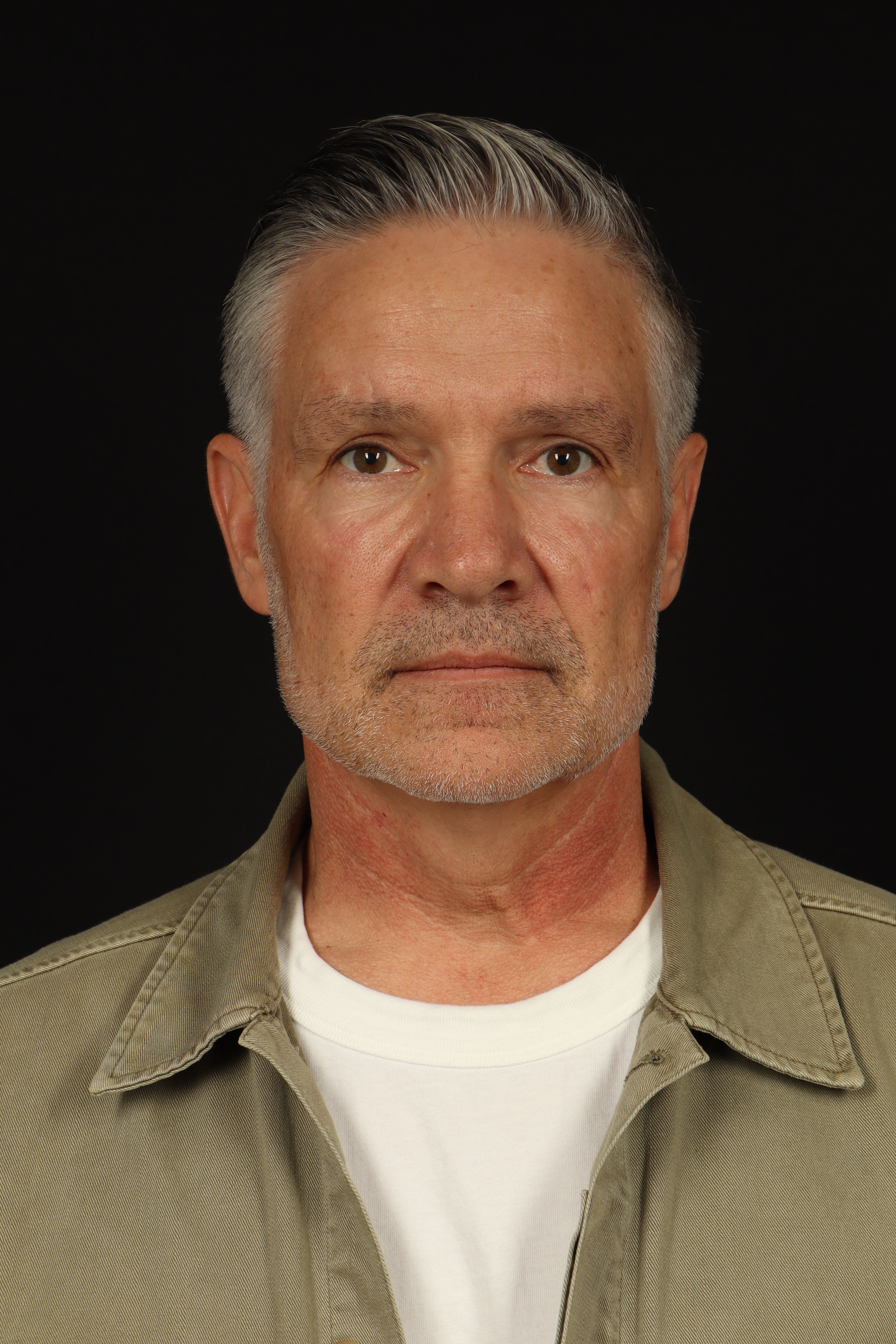
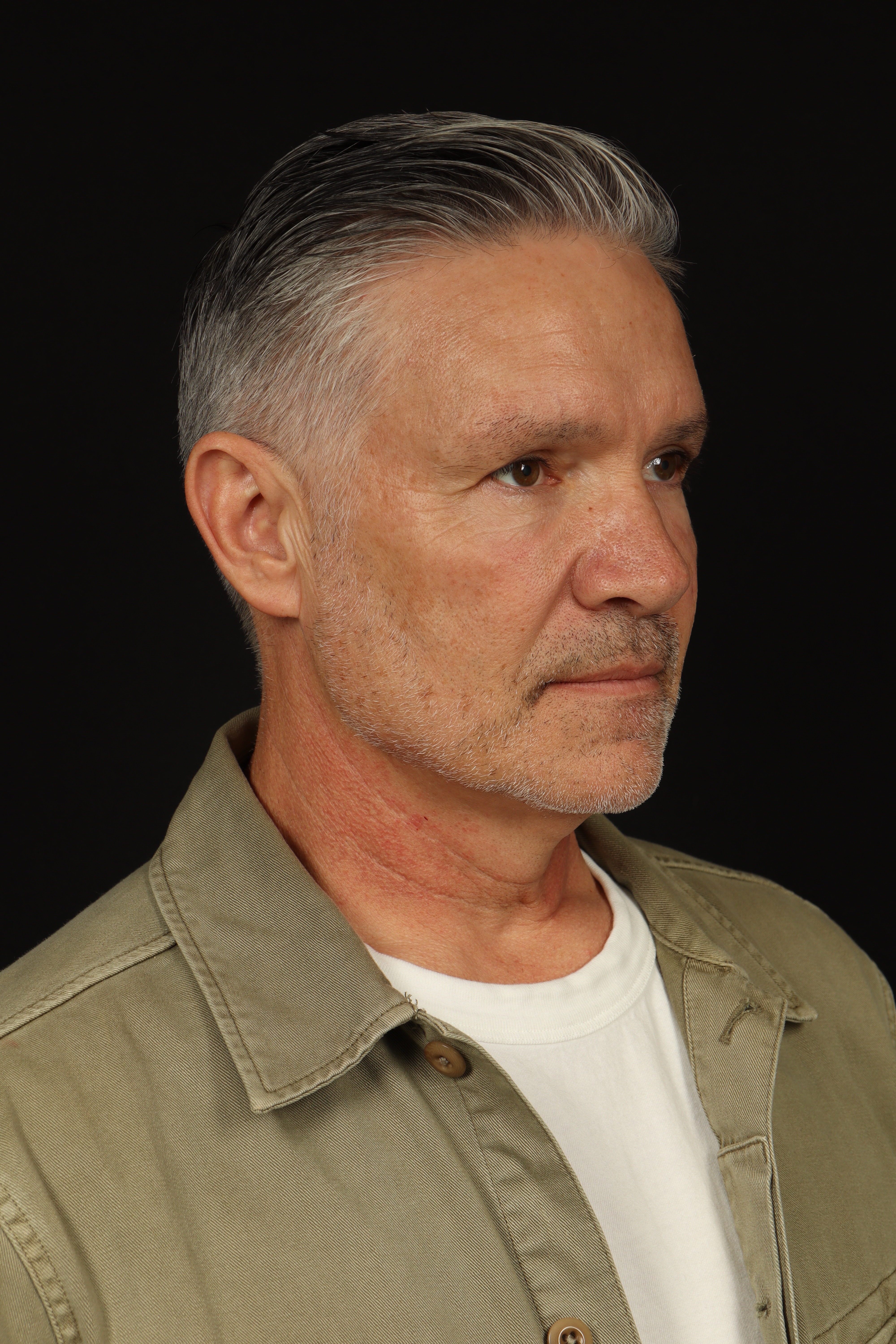
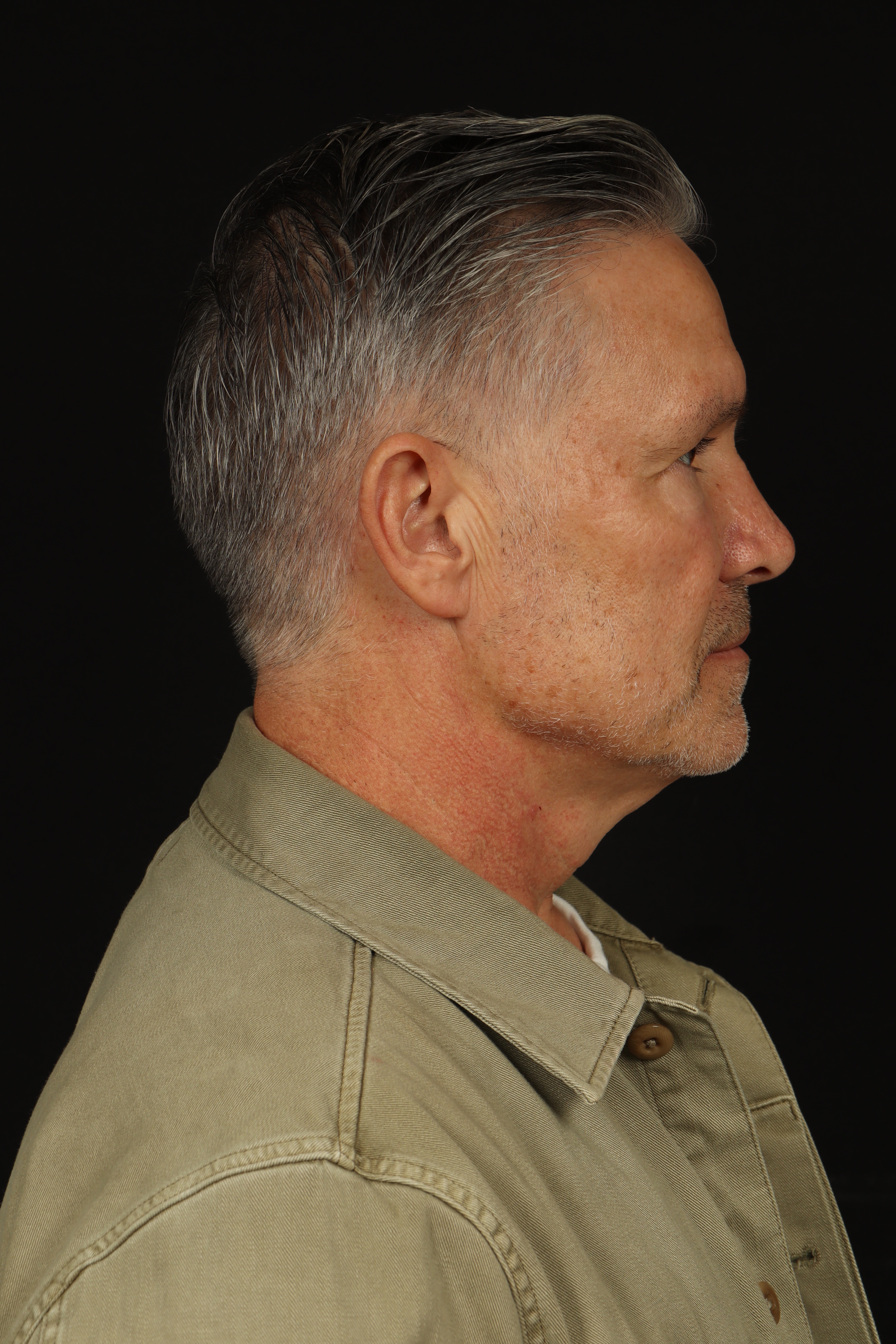
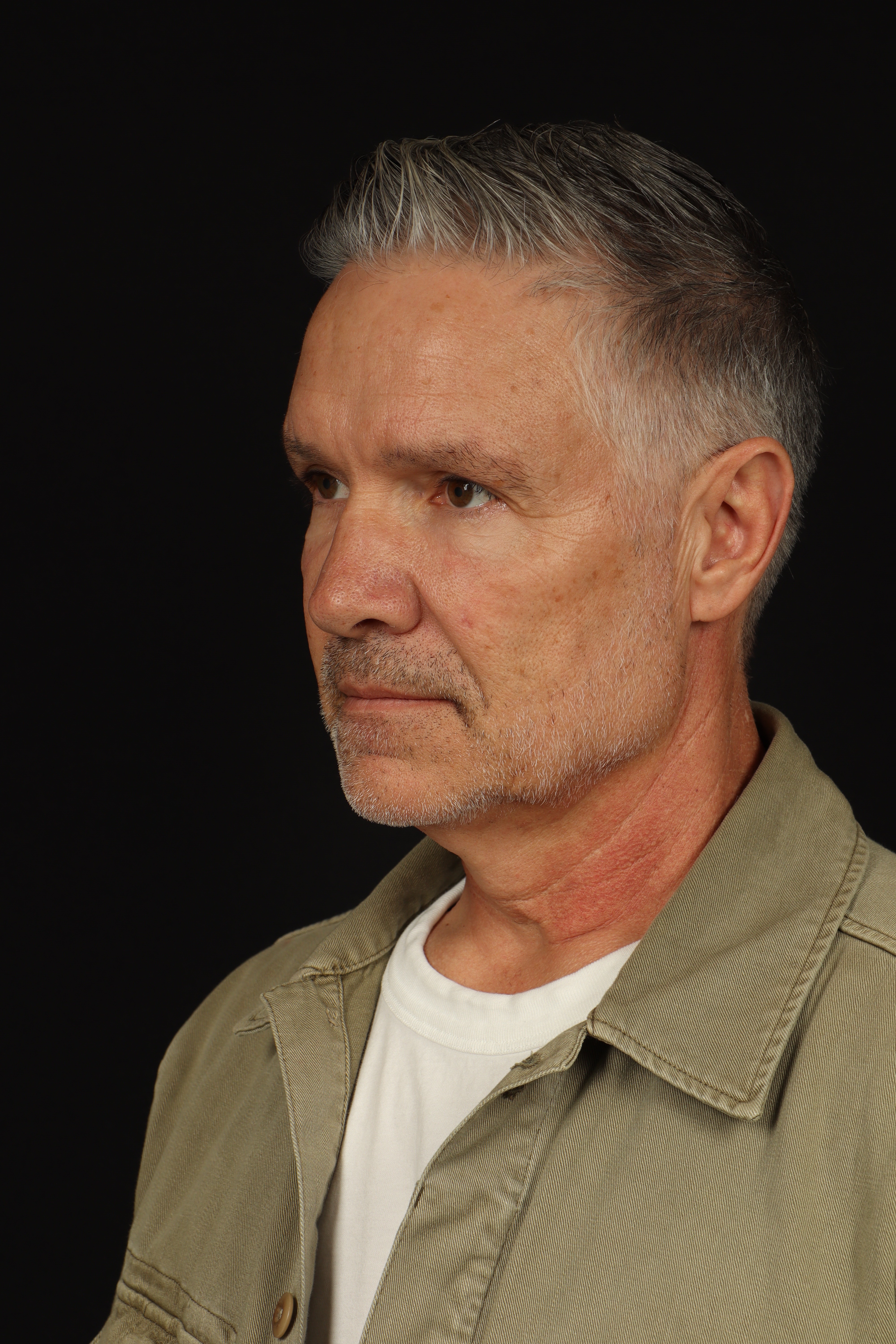
How a Male Facelift Differs From a Female Facelift
Male anatomy calls for a different surgical strategy. Skin is thicker, blood supply is richer, and beard-bearing skin requires careful incision planning to avoid shifting the hairline or leaving visible scarring.
Key differences in male facelift technique include:
- Incision placement: Positioned to avoid pulling beard skin behind the ear.
- Preserved angles: The jawline stays defined and squared rather than softened.
- Neck focus: Male patients often need more attention paid to jowls and neck laxity.
- Volume restraint: Fat grafting is used sparingly to avoid a rounded, feminized look.
- Hairline preservation: Sideburn position is protected to maintain natural framing.
Dr. Unger's publications on facial aesthetics reflect a career focused on preserving what makes each face uniquely its own — including the gender-specific structure that matters deeply to male patients.
Non-Surgical Options for Men Not Ready for Surgery
Not every man is ready for a facelift, and many don't need one yet. Well-chosen non-surgical treatments can delay surgery by years and refine features in the meantime.
Non-surgical treatments popular with male patients include:
- BOTOX or DAXXIFY: Soften forehead lines and crow's feet without altering expression.
- Dermal fillers: Restore volume to hollow cheeks or a receding chin.
- Morpheus8 microneedling: Tighten skin and improve texture with minimal downtime.
- Laser skin resurfacing: Address sun damage, uneven tone, and fine lines.
- PRP hair restoration: Address early thinning using the patient's own platelets.
Consistent skincare, disciplined sun protection, and regular check-ins with a qualified provider extend results and keep men looking rested rather than "worked on."
What Men Should Consider Before Surgery
Preparation matters as much as the procedure itself. Understanding recovery, cost, and realistic outcomes leads to a smoother experience and better long-term results.
Important considerations before booking male plastic surgery include:
- Downtime planning: Most facial procedures require 1 to 2 weeks away from public-facing work.
- Realistic goals: The best outcomes look like a rested version of the patient, not someone new.
- Health preparation: Non-smokers with stable weight and controlled blood pressure heal best.
- Financial planning: Cosmetic surgery is rarely covered by insurance, so financing is worth reviewing.
- Surgeon selection: Board certification and documented male-specific experience are essential.
The American Board of Plastic Surgery offers a public database patients can use to verify a surgeon's credentials before scheduling any procedure.
Ready to Explore Plastic Surgery for Men? Meet Dr. Unger
Choosing a plastic surgeon deserves depth, not marketing polish. Dr. Jacob Unger's résumé reflects that depth: chief resident at UT Southwestern, associate editor of Plastic and Reconstructive Surgery — Global Open, voluntary faculty at Vanderbilt University, and sole inventor of a widely adopted breast reconstruction device now used in the majority of U.S. reconstructions. His male patients travel from across the country for one reason — he understands that masculine facial structure isn't something to soften, but something to protect.
Call (615) 236-6686 or request a consultation to explore your options for facelifts and plastic surgery for men in Nashville.